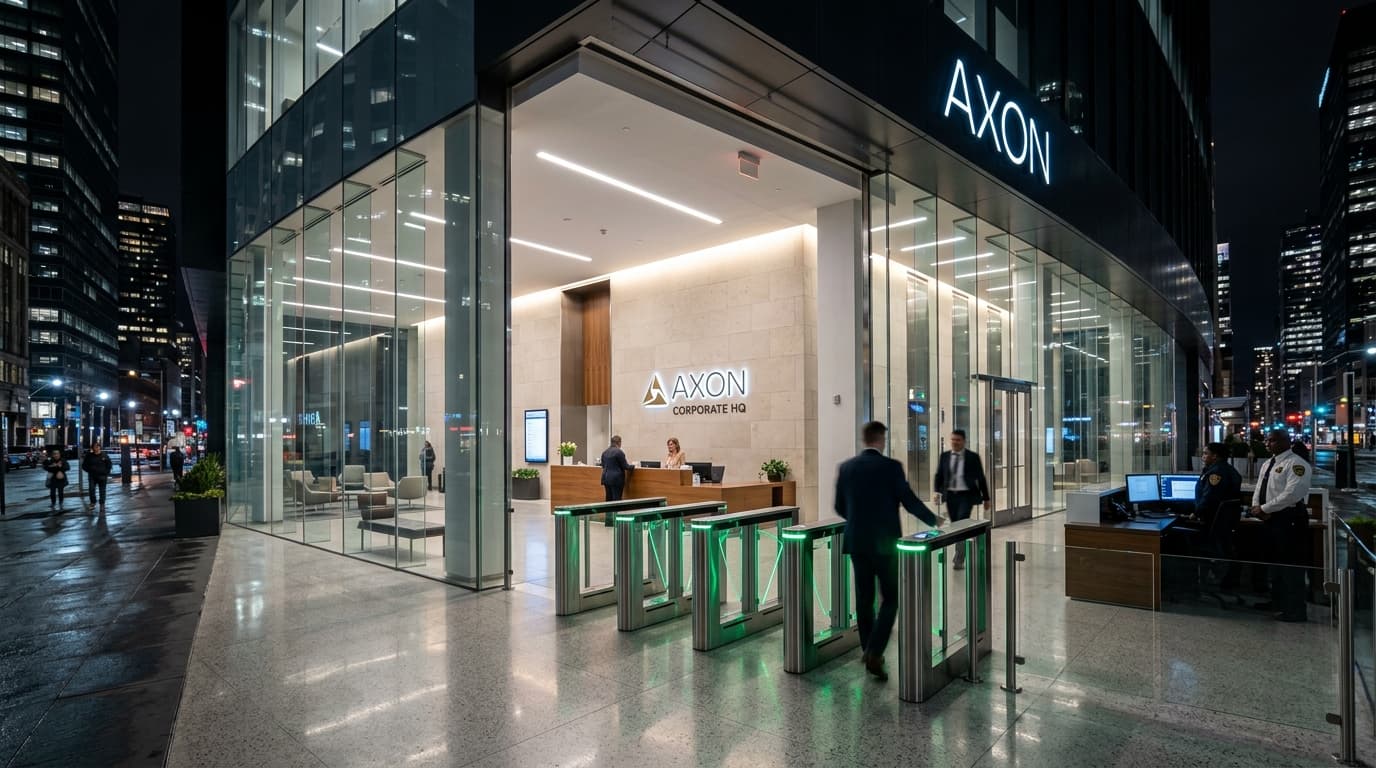
Commercial Building After-Hours Security Checklist for Property Managers
Table of Contents
Managing multi-tenant office towers, corporate facilities, and commercial precincts in Auckland, Wellington, and Hamilton requires constant attention to after-hours safety. When regular business hours end at 5:00 PM or 6:00 PM, commercial buildings become vulnerable to unauthorized entry, property damage, and tailgating.
Why After-Hours Commercial Security Demands Special Attention
During standard operating hours, active lobby receptionists, tenant staff, and visible foot traffic naturally deter unauthorized visitors. Once tenant offices close, however, buildings enter a high-risk operational window. Contract cleaners, maintenance technicians, and late-working personnel move through building lobbies and service lifts, creating potential access vulnerabilities if strict protocols are not enforced.
Key risk areas in commercial premises include:
- Unsecured Access Barriers: Exterior doors left unlatched or electronic access control systems failing to engage properly after hours.
- Underground Loading Docks & Parking Garages: Service basements, waste compaction areas, and vehicle entry gates that remain hidden from main street visibility.
- Vacant Floors & Lease Transition Areas: Floors undergoing fit-out or awaiting new tenancy, where uninstalled fixtures or copper piping may attract opportunist theft.
- Unmonitored Perimeter Windows & Fire Exits: Ground-level windows or rear emergency exits that are accidentally left unlatched by exiting workers.
1. Entry Points & Access Control Systems
Access control is your building's primary line of defense. Property managers should ensure electronic access control card readers switch automatically to high-security mode outside normal business hours. All after-hours visitors, cleaning crews, and sub-contractors must be assigned individually trackable keycards to maintain a digital audit trail.
2. Loading Docks & Underground Parking Garages
Basement loading docks and tenant car parks are frequent entry points for unauthorized intruders. Automatic roller shutters should be programmed to close immediately after vehicle entry, and security lighting should remain at 100% illumination throughout the night.
3. Vacant Floors & Restricted Tenant Areas
Vacant corporate floors or mechanical plant rooms containing HVAC, lift motor, and electrical distribution equipment should remain locked at all times. Unlocked plant rooms expose critical building infrastructure to accidental damage or deliberate tampering.
4. Alarm Systems & Surveillance Integration
Connecting intruder detection sensors, door reed switches, and glass-break detectors to a 24/7 central security alarm monitoring station ensures instant signal verification when an after-hours breach occurs.
5. Static Guards vs Mobile Patrols for Commercial Buildings
Depending on building scale and tenant risk profiles, property managers can select between stationed static security guards and periodic mobile security patrols:
- Static Concierge Guards: Recommended for high-rise commercial office towers in CBD precincts where on-site lobby management, contractor sign-ins, and continuous physical deterrence are essential.
- GPS Mobile Patrol Vehicles: Ideal for suburban commercial business parks or multi-building industrial precincts requiring 2–4 randomized site checks and lock-up services per night.
Actionable Commercial Building Security Checklist
Property Manager After-Hours & Pre-Closing Security Checklist:
- 1. Verify Perimeter Lock-Up & Entry Points: Check all ground-floor glass entry doors, revolving doors, turnstiles, and side emergency exits at closing time.
- 2. Audit Keycard Permissions & Contractor Credentials: Deactivate access credentials for former tenants, terminated staff, and temporary contractors immediately upon project completion.
- 3. Inspect Basement Garages & Loading Docks: Ensure automatic vehicle gates close completely after every car enters or exits, and confirm overhead roller doors are locked.
- 4. Lock Mechanical, Server & Plant Rooms: Confirm master keys lock electrical riser cupboards, lift motor rooms, telecom closets, and server racks.
- 5. Secure Loading Bays & Waste Compaction Areas: Verify overhead roller doors and waste bins are padlocked or electronically secured after evening deliveries.
- 6. Maintain Exterior & Canopy Lighting: Check that entry canopy LEDs, car park floodlights, and rear alley security lights operate reliably throughout the night.
- 7. Test Intruder Alarms & Dual-Path Signal Transmission: Ensure motion detectors, door reed switches, and glass-break sensors communicate correctly with your 24/7 central monitoring station.
- 8. Schedule Mobile Lock-Ups & Static Concierge Sweeps: Engage licensed patrol officers or static guards to perform randomized perimeter sweeps between 10:00 PM and 5:00 AM.
Frequently Asked Questions
What is the most common after-hours security breach in commercial office buildings?
Tailgating — where unauthorized individuals follow legitimate staff or cleaning personnel through access doors — is the most frequent access breach in corporate office buildings.
Can mobile patrol officers perform lock-ups and staff escorts?
Yes. Mobile security patrol officers conduct scheduled evening lock-up inspections, arm master alarms, check all perimeter doors, and provide safe escorts for late-working staff to their vehicles.
What compliance standards do Atlas Security officers follow in commercial buildings?
All Atlas Security static concierge guards and mobile patrol officers hold active Ministry of Justice Certificates of Approval (COA) under the Private Security Personnel and Private Investigators Act 2010.
Optimize Your Commercial Building Security
Explore tailored commercial property security management plans with Atlas Security. Contact our commercial team for a comprehensive building risk evaluation.
View Commercial Security ServicesNeed Professional Security for Your Site?
Atlas Security NZ delivers licensed static security guards, GPS-tracked mobile patrol units, and 24/7 alarm monitoring services across New Zealand.